












Skip to content
Marc Nashaat Consulting Start a conversation

Enterprise SEO

SEO stops being a tactics problem somewhere past the fiftieth stakeholder and the fourth release train. Enterprise work is governance: standards that survive template changes, a roadmap engineering will accept, and enough internal credibility to get a fix into the sprint.

Enterprise SEO programs for Fire & Flower belairdirect BMO FedEx Whirlpool Famous Smoke

Overview

What is enterprise SEO?

Enterprise SEO is the practice of managing organic search performance in organizations where the site is produced by systems rather than by people: templates, feeds, component libraries, content workflows and release trains. It is defined by constraint rather than headcount. A million-page catalog built from twelve templates is an enterprise problem; a hand-built thousand-page site is not. The work is accordingly systemic: standards, guardrails, governance and measurement applied at template and platform level.

That makes it distinct from doing SEO at a large company, which is often the same tactics with a bigger budget. The binding constraints are organizational: a change touching a global template needs product, engineering, legal and brand sign-off; a fix competes with the commercial roadmap for the same sprint; and a platform such as SFCC, AEM or Adobe Commerce imposes limits no recommendation can argue away. Enterprise SEO is therefore as much about sequencing and stakeholder management as about search.

Who it's for

You probably need this if…

  • 01A template fix takes two quarters to ship because four teams have to agree it is their job.
  • 02You license an enterprise SEO platform and nobody can say which of its alerts actually matter.
  • 03Every market runs its own site, and no two of them handle hreflang the same way.
  • 04Your last three releases each broke something in search that nobody caught before launch.

What changes at enterprise scale

Governance and standards

At template scale a single defect replicates across a hundred thousand URLs, and a single undocumented rule gets reversed by the next developer who touches the component. Governance is the written answer: who owns canonical logic, what the definition of done includes for a new template, and which changes require a search review before release.
Platforms and their limits

Enterprise stacks constrain what is possible. SFCC and Adobe Commerce impose URL and faceting behaviour that cannot simply be rewritten; AEM and Sitecore decide how templates and components are assembled; a headless Next.js front end changes what renders where. Useful recommendations start from what the platform will actually allow this quarter.

What a platform licence leaves

Enterprise SEO tools are good at what they do: crawling at scale, tracking thousands of keywords, and putting a defensible number in front of an executive. None of them decides which of the nine hundred issues in the dashboard is worth a sprint, writes the acceptance criteria, or argues the case to your CTO. Licences surface problems; people resolve them.

Measurement by segment

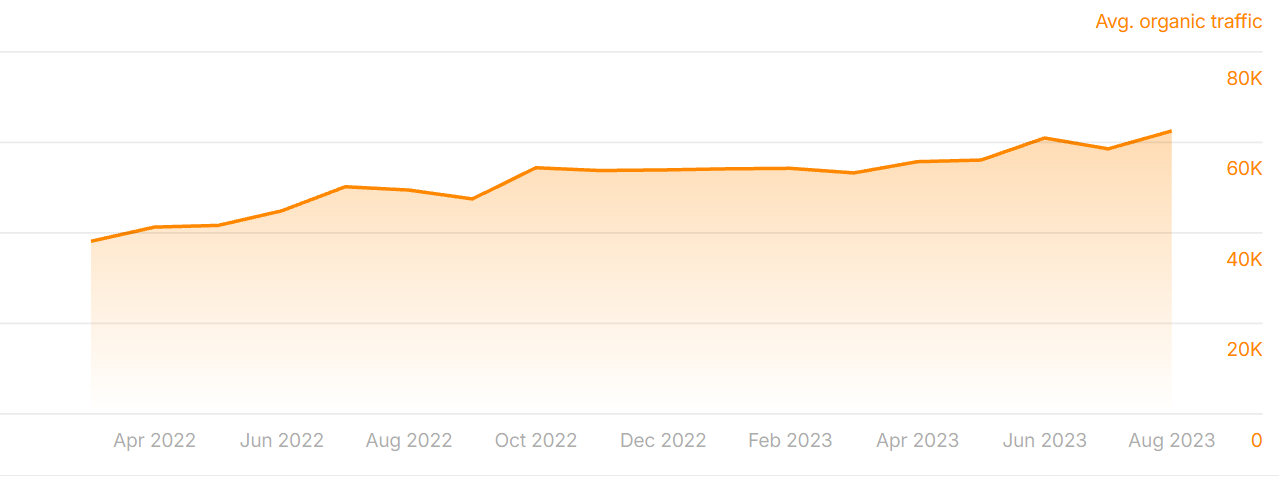
Above a certain page count, keyword rankings stop describing the business. Segment-level reporting: by template, category, market and page type, is what shows that product pages gained while editorial fell, or that one market carries the whole trend. Forecasting a fix by segment is also the only way to defend a roadmap in budget terms.

What's included

Search treated as a system, not a campaign.

Search governance

Ownership, standards and a definition of done for templates, so decisions hold after the engagement ends and after the next developer changes the component.

Template-level roadmap

Recommendations written against templates and platform constraints rather than individual URLs, scored by revenue impact and the effort your engineers quoted.

Release-time QA

A search check built into your deployment process (staging crawls, diffing and alerting) so regressions are caught before they reach production.

Stakeholder alignment

The internal case made to product, engineering, legal and brand in their own language, so the roadmap survives contact with the planning meeting.

Not sure which of these you actually need?

Request a discovery call

Process

How I approach Enterprise SEO

  1. 1

    Landscape

    Stakeholder map, platform constraints, existing tooling and where search sits in your release process.

  2. 2

    Assessment

    Segment-level crawl, log and performance analysis across templates, markets and page types.

  3. 3

    Roadmap

    Scored, template-level recommendations with owners, acceptance criteria and a sequencing plan.

  4. 4

    Govern

    Standards documented, QA installed in the release process, and the roadmap run week to week.

FAQ

Common questions

How is this different from SEO at a big company?

Scale changes the unit of work. You are not fixing pages, you are changing the templates, rules and processes that generate pages, and every change has an approval chain. The hard part is rarely diagnosis; it is getting a correct recommendation through four teams and a release calendar.

We already pay for an Enterprise SEO platform. Why would we need you?

Keep it. A platform crawls, tracks and reports at a scale no person matches. What it does not do is decide which fifteen of its nine hundred findings are worth a sprint, write those as tickets your engineers accept, or defend the trade-off to your CTO. That is the gap.

Do you replace our in-house SEO team?

No. In most cases the team is competent and under-supported: outranked in planning, out-argued by product, and asked to prove things nobody has instrumented. I work through them, give their recommendations external weight, and leave them with the standards and reporting to hold ground.

How long before enterprise work shows results?

Assessment and roadmap inside two months. Shipping is your release calendar, not mine, so the first fixes usually land the following quarter and template-level changes compound for several quarters after that. Anyone promising enterprise results in six weeks has not seen your change-approval process.

Related resources

What is stopping the fix from shipping?

Send me your domain and the change your team has been trying to ship all year. I reply personally within 48 hours.